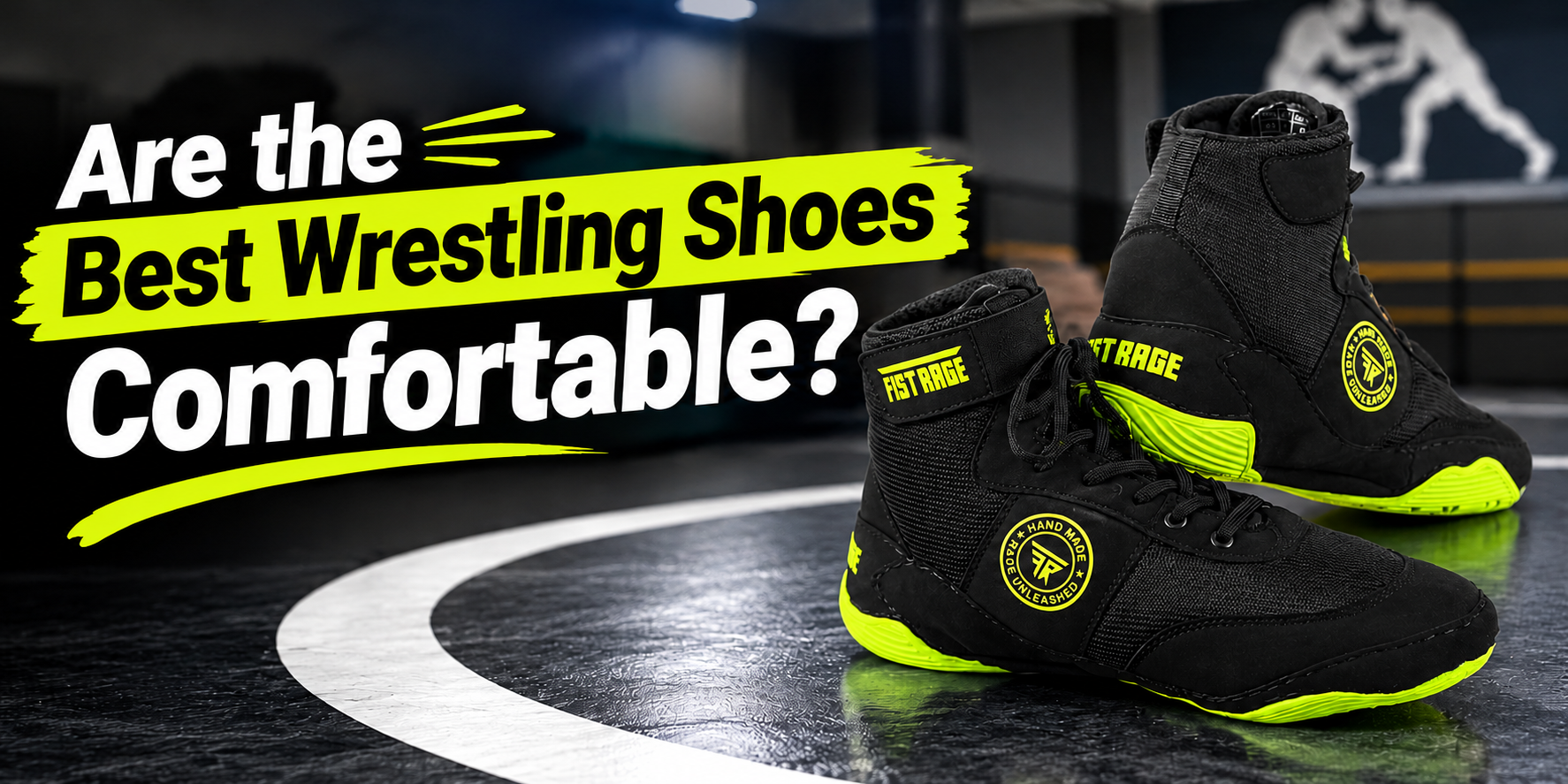
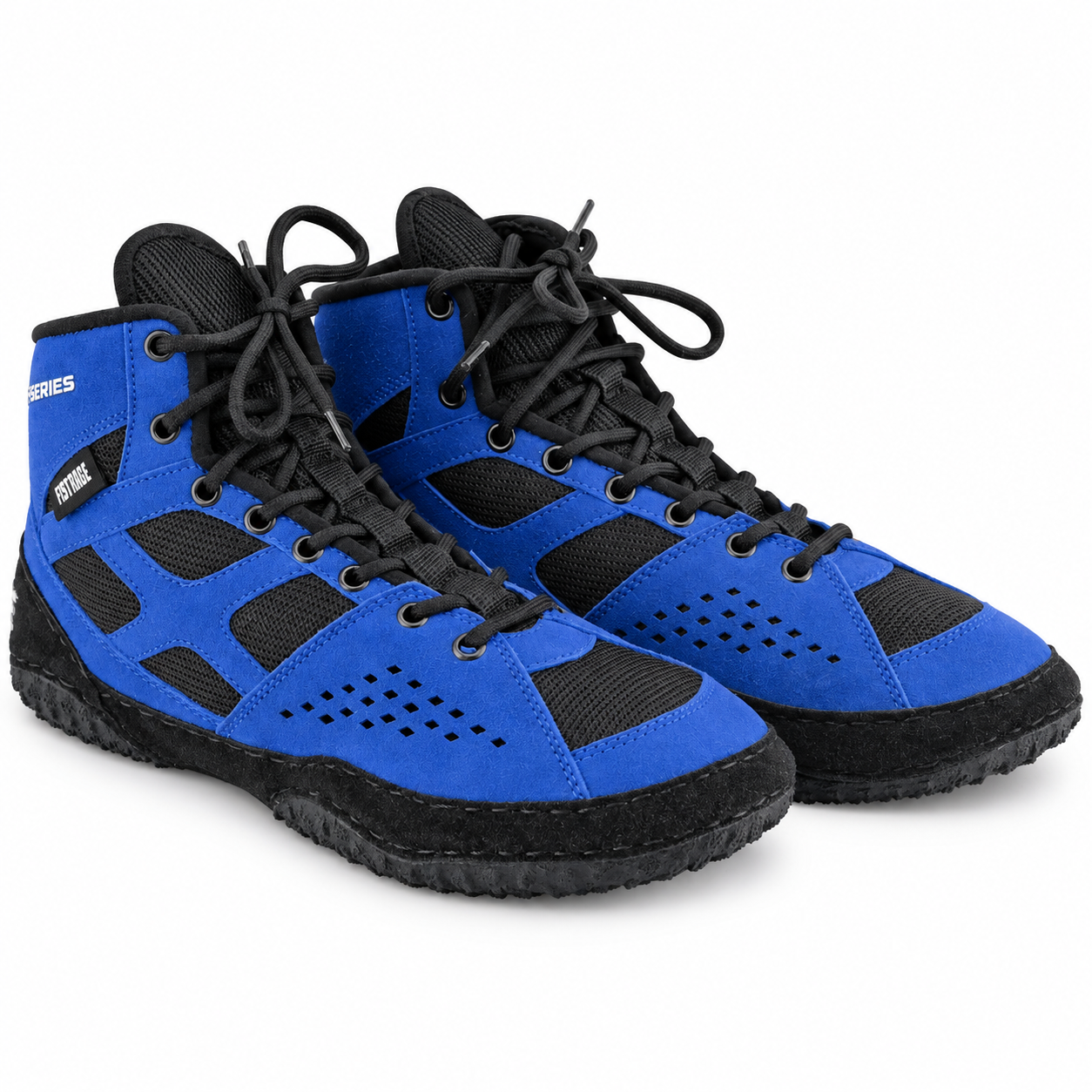
Accurate footwear can actually make a difference, especially when you are pivoting or even scrambling on a mat. The best wrestling shoes remain secure through a substantial combination of an integrated lacing system, followed by core ankle-hugging high-top designs, and an anatomical lockdown construction.
The wrestling shoe ankle support assists in keeping the ankle stable, while a wrestling shoe grip assists in maintaining contact with the mat without compromising quicker footwork. Thus, a secure fit assists in reducing unwanted movement inside the shoe while offering you much better control during fast transitions.
Table of Contents
-
Do wrestling shoes need ankle straps for support?
-
What lacing method keeps wrestling shoes from slipping?
-
How do I stop my heel lifting in wrestling shoes?
Do wrestling shoes need ankle straps for support?
At Fistrage, our subsequent wrestling shoes involve ankle straps, which add another layer of stabilization by helping to secure the upper around the ankle. They are further useful for wrestlers like you, who want a much more locked-in feel during shots or sprawls. But straps are not the only factor that actively determines the support.
The overall construction of shoes, along with fit and even ankle height and lacing system, can also impact how securely a wrestling shoe stays on your foot.
Here is a core set of advantages of a secure ankle strap:
-
Assisting in the reduction of unwanted ankle movement
-
Adding a locked-in feel during quite explosive movement
-
Functions with laces to enhance the overall fit
Thus, in this manner, these specific shoes meant for wrestling aid in offering an extra set of confidence during takedowns.
What lacing method keeps wrestling shoes from slipping?
At Fistrage, we make use of a firm heel-lock lacing technique which assists in reducing foot movement while actively keeping the shoe fitted and secure. The method further involves creating a secure loop that is too near the top eyelets and tightening up the laces around the ankle before even tying them.
|
Lacing Approach |
Prime Benefit |
|
Standardized lacing |
A balanced everyday fit |
|
Heel lock lacing |
Reducing heel movement |
|
Firm ankle lacing |
Adding upper foot security |
|
Double knot |
Assisting to prevent loosening |
These key attributes can thus aid in preventing the heel from shifting while allowing the forefoot to stay comfortable.
How do I stop my heel lifting in wrestling shoes?
At Fistrage, we suggest that you can reduce heel lift by choosing the correct size, securing the heel with a suitable level of lacing, and selecting wrestling shoes that have ankle straps to provide secure support.
Your heel should primarily remain positioned in the most comfortable manner without any excessive pressure. If your foot keeps sliding too much after tightening the laces, the shoe may not have the correct shape or even fit for your foot.
Secure Your Stance Before You Step on the Mat With Fistrage
The finest footwear for wrestling will provide support while maintaining flexibility. Each detail, such as foot sizing, roller lacing, and solid ankle construction, plays its own part in the quality of the wrestling experience. If you wish to find a solution for how to stop heel slipping in wrestling shoes, start by making sure your shoes fit and are properly laced.
Contact Fistrage and check out our range of wrestling shoes and find the right secure pair for your next wrestling training or competition.
FAQs
Do loose shoelaces influence wrestling performance?
Indeed, loose shoelaces will enable unnecessary movement of the feet and can decrease the feeling of being secure in the shoes.
Should wrestling shoes have flexible soles?
It is advisable for wrestling shoes to have flexible soles since flexibility helps wrestlers move efficiently, pivot, and change direction on the mat.
When should wrestling shoes be replaced?
Wrestling shoes must be changed as soon as the sole, upper, or fastening device is significantly damaged and does not function as it should.